


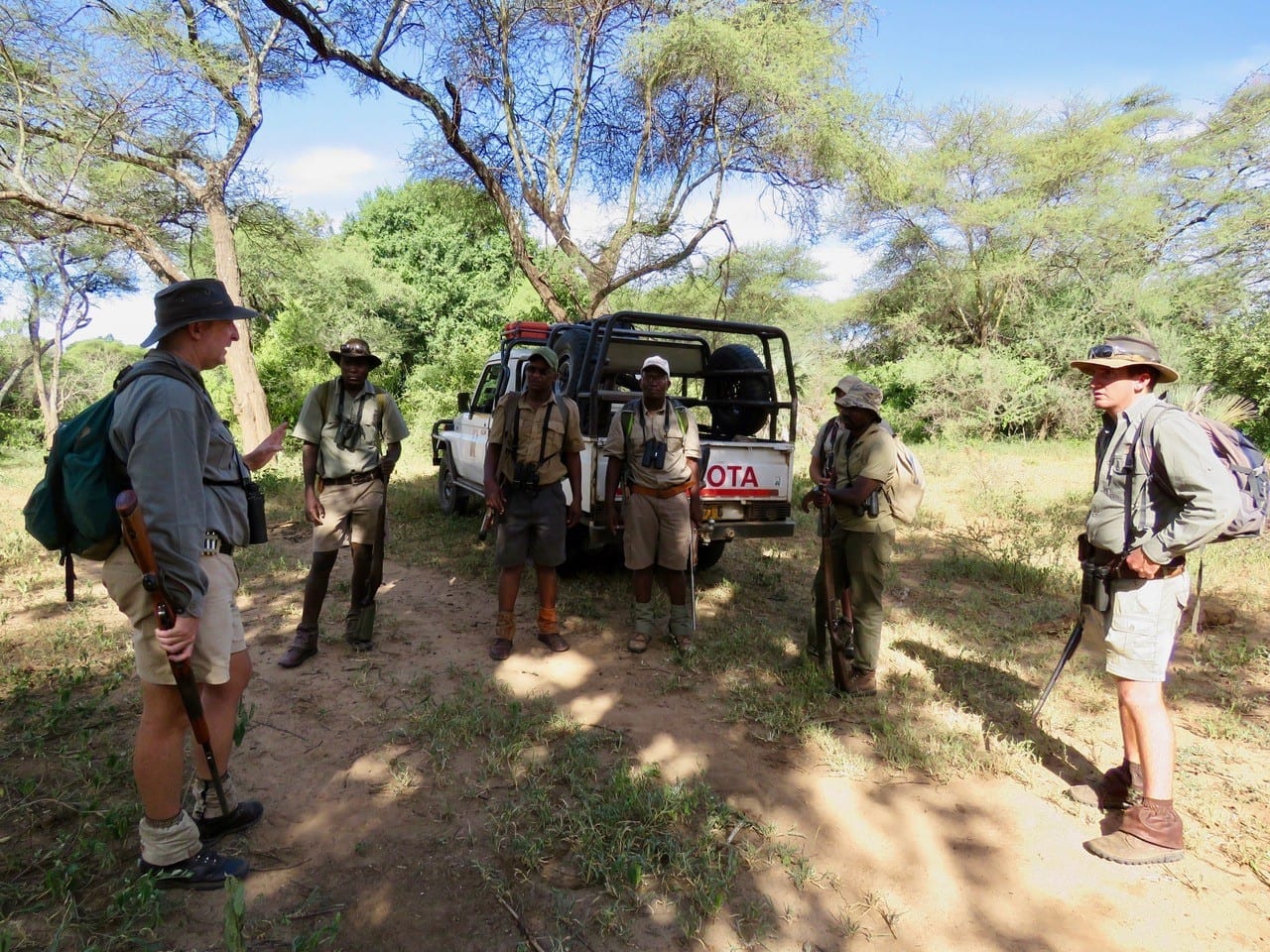


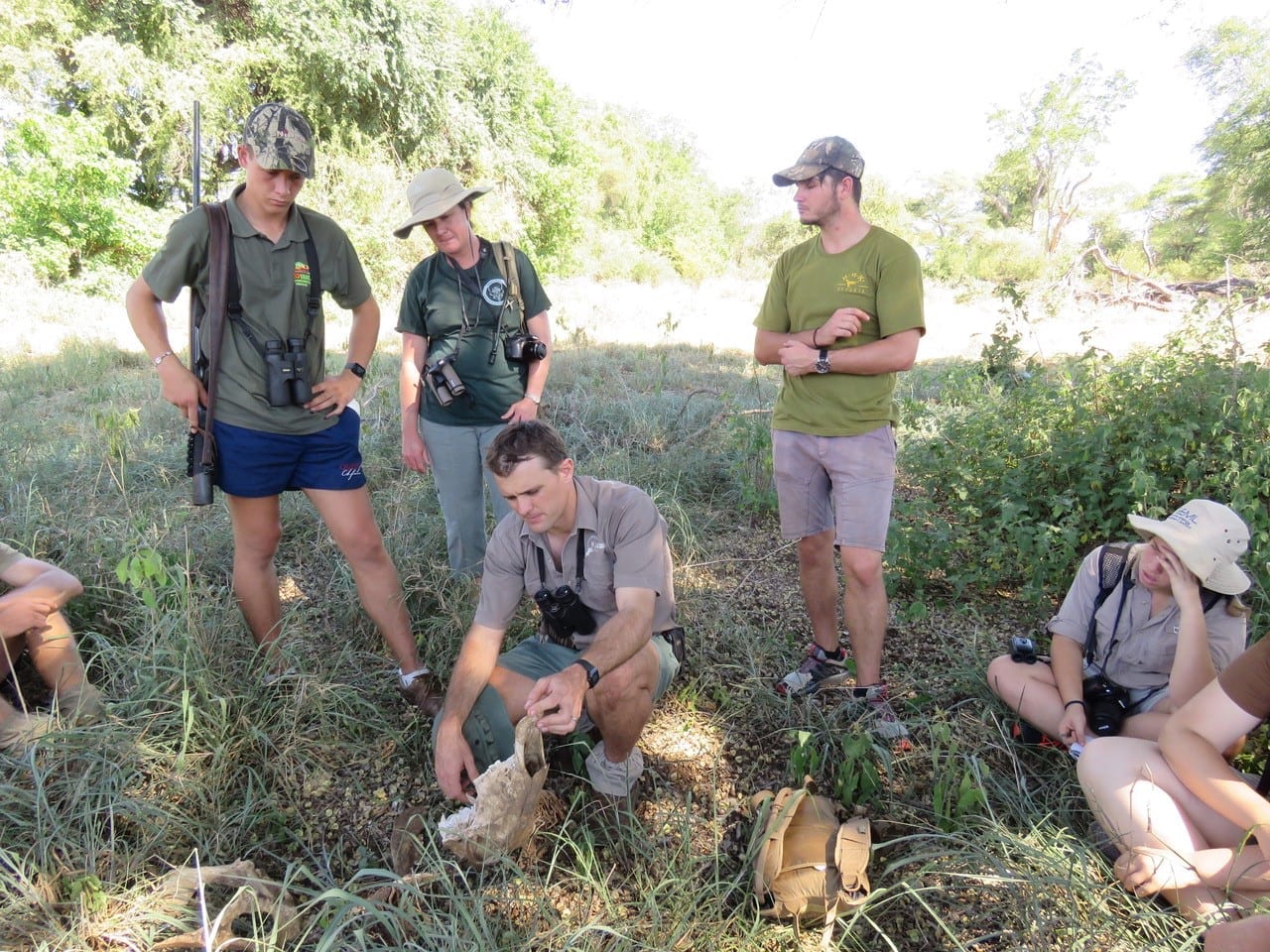



Zimbabwe has achieved, over the years, the well-deserved reputation of producing some of the most professional, hardworking ethical and experienced hunters and guides on the continent.
This is not by chance, It has been achieved through stringent training and examination systems which have been put in place, and which have been amended and improved upon the over the years in order to stream line the flow of candidates into the industry.
These systems are coupled with an extremely vital “hands on” apprenticeship, of an absolute minimum of two years in length (but which is often double that or more). Here an apprentice is attached to a safari company under the tutorship of the resident professionals employed therein, ensuring that each candidate is exposed to all the knowledge, wisdom, training, tutelage and examination needed to succeed in this high expectation, and frequently dangerous industry.
There are some commonly asked questions, such as:
Here are the answers to some of the more commonly asked questions, in order to facilitate the transition for the average “tyro” frequently fresh from school, to fully qualified Walking or Hunting Guide.
It may not cover everything asked, but the Z.P.G.A. are always available to fill in any gaps and assist where needed.
The first step in this lengthy process involves obtaining a valid First Aid Certificate. You will be required to sign up at any of the well-known First Aid providers, such as M.A.R.S., E.M.R.A.S, St Johns, A.C.E. Air and Ambulance, Red cross and so on.
Courses range from three to five days, and certification is usually valid for a period of two years. Most of the providers undertake refresher courses for those whose certificates have expired and who wish them to be renewed. These can last from a morning, up to two days, depending on the company.
First Aid knowledge is a vital part of the industry, given the risks and danger involved on safari and this knowledge will be tested further along the process, both in the oral interviews and on the proficiency exam later on. So, it’s vital to be conversant with basic First Aid. You can do this certification whilst at school too.
Whether you wish to pursue a career as a Walking Guide a Hunting Guide or a Canoe Guide you will all be required to pass what is known as the Learners Professional Hunters (L.P.H.) Licence, which is a licence issued by the Zimbabwe National Parks and Wildlife Management Authority (ZNPWMA).
The requirements to sit for the learners are as follows:
The exam consists of four papers including Law, Habits and Habitat, Firearms and a General Paper.
By the time you attempt this exam you will be expected to be fully acquainted with the Parks and Wildlife Act1975 and the amendments accompanying it. The ins and outs of this Act contain the bulk of the questions in the law paper. There is no way around the law except to study it. It is vital to have a grasp on the law contained within the Act, since this is what governs what everyone can and can’t do within the Parks and Wildlife Estate.
The Firearms Act, and sound knowledge of firearms, weapons handling, ballistics and so on, form the basis of the Firearms paper. Again, you need to read on the Firearms act, study it and be conversant with know it. Further information on ballistics, definitions etc. can be obtained from the Ballistics in Perspective by Mike La Grange, and other related publications. Alternatively, or in addition to, speak to people who are qualified and experienced in this field, their knowledge can easily be passed onto you.
Habits and Habitats is a paper which is hard to specifically learn for. A wide range of questions on any part of the bush and the wildlife and their habits, may be asked. Trees, birds, fish, mammals, reptiles, the topic is endless. Start reading anything you can get your hands on, get into the bush and start asking questions and start trying to absorb everything you can on this wide topic. Books like” Beat about the Bush”, “Game Ranger in your Backpack”, “Snakes “by John Marais, the various birding apps by Sasol etc. are all useful and there are many more.
The General Paper will contain questions on any other topics which can in any way be related to the industry. Study current events, when was the last CITES meeting, what was decided there and suchlike? Study the IUCN, Red data book, who are the relevant ministers governing the industry, who is the Director General, and so on. It can all make into the General paper. Again, it’s a tough paper to learn for, but try hard to be conversant with current affairs on Industry related topics.
For your information, Study Packs may be obtained from the Z.P.G.A. offices, in Bulawayo, Victoria Falls and Harare. These contain most of the information you will need to know but studying other reference materials and tuition is also recommended.
The L.P.H. Exams alternate between Harare and Bulawayo and are held twice a year, in February and September. Cost is $50USD or the equivalent per paper! Once you have passed your L.P.H. Licence is valid for one year and the holder will be required to renew it annually. Currently it is a necessity that a tutor letter is required to renew it (as of Oct 2019) but this is expected to fall away fairly soon.
Find yourself an apprenticeship position with a recognised reputable safari company. Send out your CV, talk to people, or approach Z.P.G.A.
Who you decide to work for can make or break you, it is as easy to learn the wrong way as the right way, and it is vital that you get yourself off to the best possible start in the industry. You may even achieve this before step one and two, if you are organised.
During the course of your apprenticeship, it is an obvious requirement that you can obtain, and become proficient with, a rifle.
This is sometimes an expensive and difficult task; however, it is an utmost necessity. When accompanying clients, whether hunting or guiding, it is inevitable that one day you will be faced with a dangerous or even deadly situation.
Keeping clients and staff, and yourself too, SAFE, is the single most important part of the whole training regimen. So, buy the best and most safe riffle you are able to able to afford. If need be, seek financial help from your family or friends or even the company you work for.
Make sure it is a suitable calibre (minimum-375), make sure it is reliable, since your life and those of others may depend on it, and make sure you are PROFICIENT with it. Practise, practice and practice more. Only then should you attend the shooting proficiency which is step 3 along your journey to qualification.
To undertake the shooting proficiency, you will be required to furnish
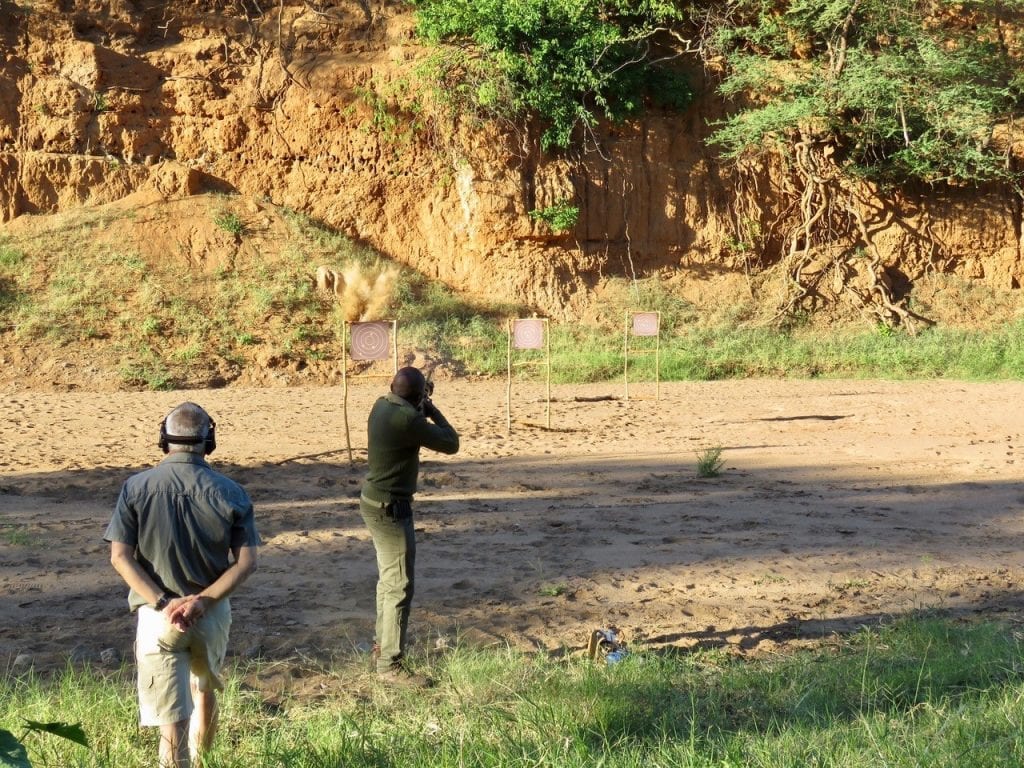
Four shoots in different disciplines are held which are designed to ascertaining your speed, accuracy and competency.
Your total scores and your times are taken and an aggregate score carried at. The passing score for Hunting Guides is 120 and for Walking Guides is 85. A separate shoot for Canoe Guides is held the same day.
Three shoots are held per year, all in Harare at the Cleveland Range, in February, May and September. It is a requirement very that the shoot must be conducted in full safari gear, binoculars, ammo belt and the like included, i.e. full kit.
A lot of practise is needed to pass this exam. Rifle glitches, feeding problems and incompetence all become very apparent very quickly so all ducks need to be in a row before undertaking this.
By the time you reach step five, the interview stage, you should be well on your way down the road to qualification. In fact, by now you should feel that you are ready for the proficiency.
The purpose of the interviews is to ascertain the eligibility or suitability of a candidate to attend proficiency. You should have completed a bare minimum of two (2) years, preferably more, experience in the industry.
You will need to have by now, shot the required number of dangerous animals; four dangerous animals including elephant for the Walking Guide candidates, and five elephants and buffalo or cats for Hunting Guide candidates.
You will need to have proof for this accomplishment by the way of your logbook (obtainable at Z.P.G.A.) where these tasks will have been accredited and signed by your tutor or whoever authorised or accompanied you. All the details must be filled therein. Photographs must accompany the write up. Any write up not signed or vouched for will be ignored.
Remember that your logbook is a reflection of yourself and your professionalism so put some effort into them. All your experience as a Walking Guides, your walks and approaches, for Canoe Guides, your logged hours, for Hunting Guides, the approaches and harvests you were party to, all need to be logged, with tutor comments.
You will be expected to furnish a tutor letter from your respective tutor, attesting to his confidence that you are ready to pass the proficiency exam. The oral interviews are held twice a year, in February and September alternating between Bulawayo and Harare.
You will be questioned about your experience, your logbook your safari administration knowledge the Parks and Wildlife Act and other laws, fauna and flora, habits and habitat, and any other topics the panel of examiners may deem necessary. Expect the interview to last 30-45 minutes in duration.
After a brief discussion during which you will be asked to wait outside, you will be informed of the panel’s decision, whether to welcome you onto the Proficiency exam, or whether you need to address certain issues before proceeding. These issues will be made known to you in order that you can correct them before the next interview.
Please pay attention to your personal appearance on the interviews. As with the logbook, your appearance is a reflection of your professionalism. First appearances make the first impression, so please arrive in neat clean safari gear, with a well presented personalised logbook.
Requirements for interviews
If you have managed to get through step 1 – 5 above, and have managed to get invited onto the proficiency exam itself, you have already accomplished a good deal in your career. The fact that you have been invited onto Proficiency means that it has been deemed that you have, at the very least, a chance of passing this final hurdle. It is no guarantee that you will pass, and in fact many still will not, but you have a chance.
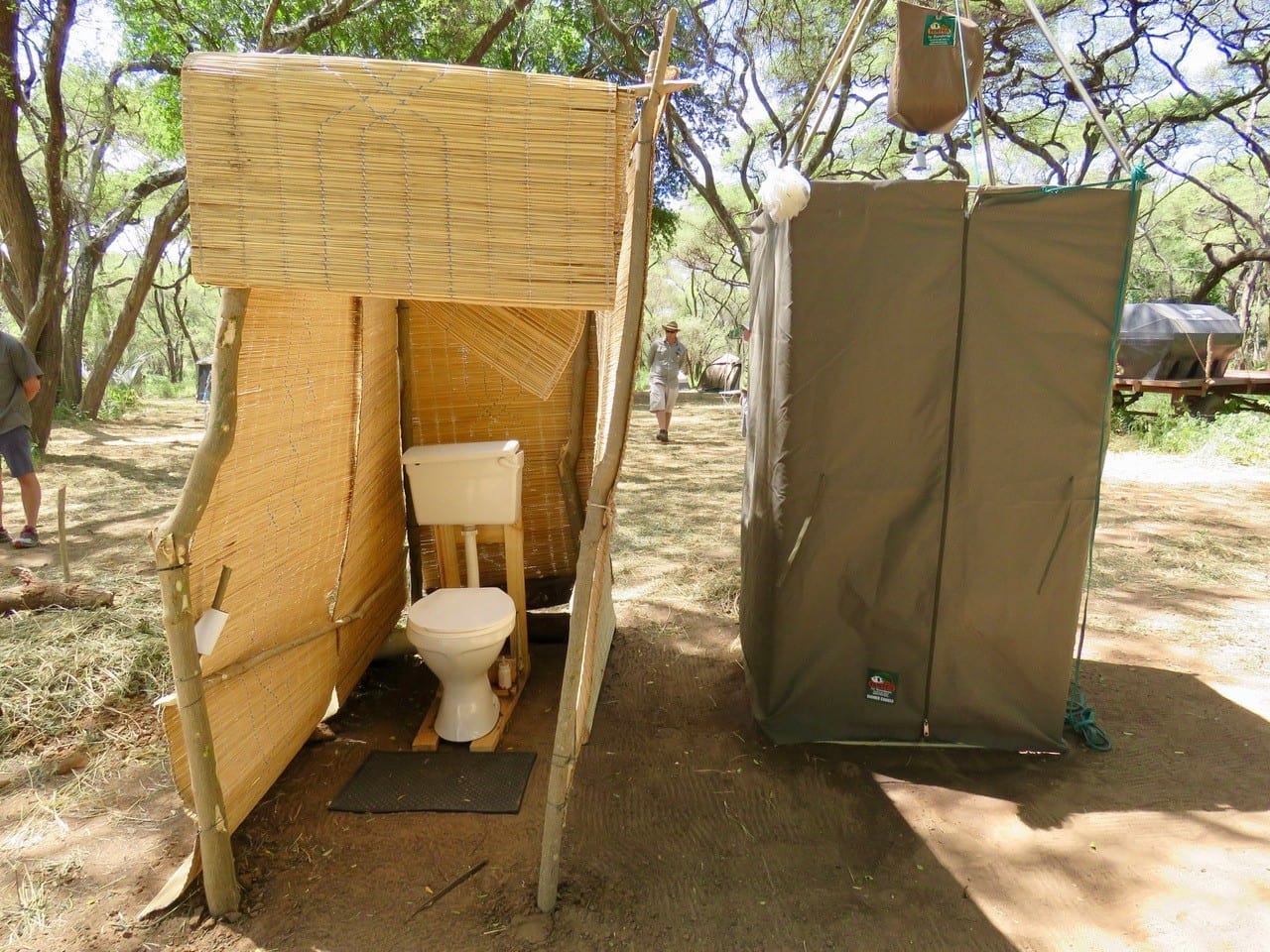
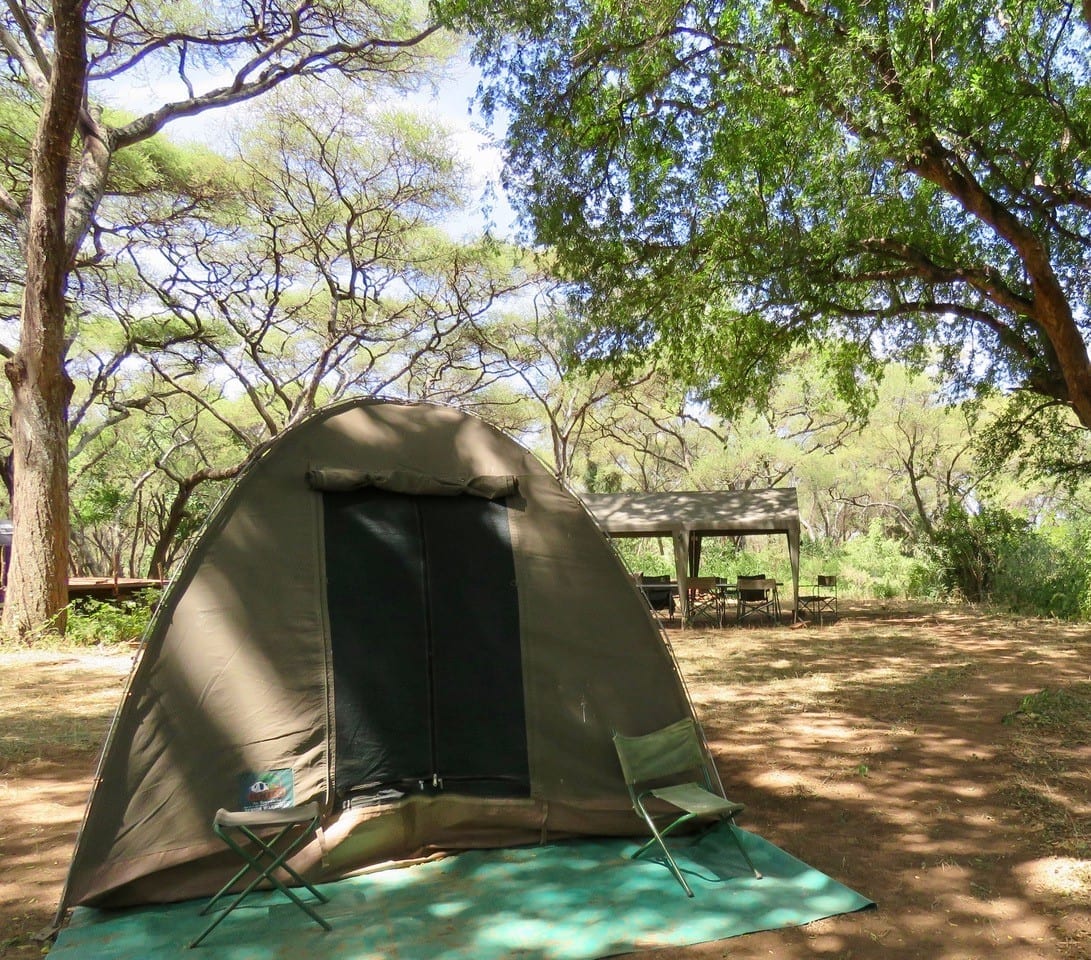
The Proficiency exam is a 7-day practical exam, held once a year, usually the first week of November. The venue is set by the department of National Parks. It is usually held in one of the Parks and Wildlife estates, such as safari areas. The idea of the exam is that you the candidate should prepare a tented camp at the located venue and to host the examiners, as if they were your clients, for the duration of the exam period. All of the tents, bedding, kitchens, ablution and laundry facilities, fridges, lights, vehicles, first aid, all the food, drinks and fuel, in short everything must be supplied and erected by the candidates.
You are more than welcome, possibly even advised, to form teams. Groups of four or five candidates are the norm, though lone candidates on their own accord are also welcome. Groups enable you to pool resources, to share the labours and to split the costs and the responsibilities. But between you, everything will be expected to be handled professionally. If you choose to attend alone, a high degree of initiative and energy will be required.
The examination team consists of examiners from both the Authority, the Department of National Parks and Wildlife, and from Z.P.G.A. You will be expected to host one or two of them every night for the duration of the exam period.
You will host dinners on a rotational basis and you will be told when, in advance, and perhaps lunches too even though you will usually be in the bush.
You will be split into examination groups which will not be the same as your camp groups. The groups will consist of a mix of Hunting Guide and Walking Guide candidates, and you will have a Parks as well as a Z.P.G.A. examiner with each group.
Each examination group must have a vehicle (you may rotate this) and will be expected to cater for that day’s lunch and refreshments.
Each day on the exam expect to be bombarded by a barrage of questions on all you have accomplished and learned to date. Your knowledge on trees, birds, fish, law, firearms, first aid, your safety, professionalism, knowledge must all come to the fore in this short but intense exam. The standards are high, so this is where your training and ability will stand out.
Each proficiency has a quota of elephant and buffalo to harvest, so the day’s tasks are to track, stalk, and approach these animals. This gives an idea of your confidence, or lack of around dangerous animals. On shooting, your skinning and recovering will be tested. It can be exhausting, expect that! Be confident with your group control, your safety and command will be key later on when dealing with international clients. Do not simply “go with the flow” in your group. Rather aspire to be the “stand out” candidate in your group.
Camps, vehicles, first aid kits, personal gear including backpacks are all expected to be of good order, as do rifles. They will be inspected. It is the time to show what you are made of. Hard work honesty, initiative, planning ability are all characteristics which will stand you in good stead on this gruelling week.
Once it has been deemed by the examination team that each candidate has been successfully assessed and the exam officially closed, you may then begin the dismantling of the camps and you may leave exhausted but fulfilled.
The journey from start to qualification is a lengthy and often expensive one. It can take years and years and even then not everyone will make it. The dropout rate is high, and so too can be the failure rate.
Only the most determined and capable will make it. Your training is vital. You need to endeavour to be trained by recognised reputable companies and honest hardworking, ethical tutors. Only in this way will you achieve the high levels expected in this very demanding industry. Indeed once you qualify, that is not the end, but rather the beginning of your career.
The onus of safety, honesty and ethics, will now fall upon your shoulders, and it will become incumbent on you, the Hunting Guide or Waling Guide, to maintain and to enhance, the truly great reputation of Zimbabwe’s safari fraternity.
1. Learners exam:
2. Shooting proficiency:
3. Oral exam interviews:
4. Canoe proficiencies:
Zimbabwean Guides have exceptionally high standards with an emphasis on ethics, values and a passion for continual improvement.